
OpenAI, the pioneering force behind text-generation tool ChatGPT, has rocked the artificial intelligence landscape with the announcement that it is shutting down its ground-breaking video AI platform, Sora. This decision, though unexpected given the immense hype surrounding Sora's capabilities, represents a significant strategic pivot for the company. While the model itself remains a marvel of engineering, OpenAI is shifting its focus towards other core initiatives, ultimately signaling the end of an era for the current iteration of user-generated AI video content.
A Vision Unfulfilled – The Shutdown of Sora
Only a few months ago, OpenAI took the world by storm with the unveil of Sora. This powerful model demonstrated an uncanny ability to generate photorealistic videos from simple text prompts, pushing the boundaries of what AI could achieve in the visual domain. From fantastical landscapes to compelling narratives, Sora offered a glimpse into a future where creative storytelling was democratized. However, the operational reality of running such a sophisticated model became a bottleneck. Generating high-resolution video is notoriously resource-intensive, requiring immense computing power and data centers that are already straining under the demands of other AI applications.
The computational costs associated with Sora ultimately proved to be unsustainable for widespread, continuous operation. Additionally, OpenAI stated that the current focus for the company is streamlining operations and ensuring the long-term viability of its core products, such as ChatGPT and the underlying foundational models. While the shutdown of Sora is undeniably a loss for the creative community, it underscores the hard trade-offs that organizations face as they scale complex AI models.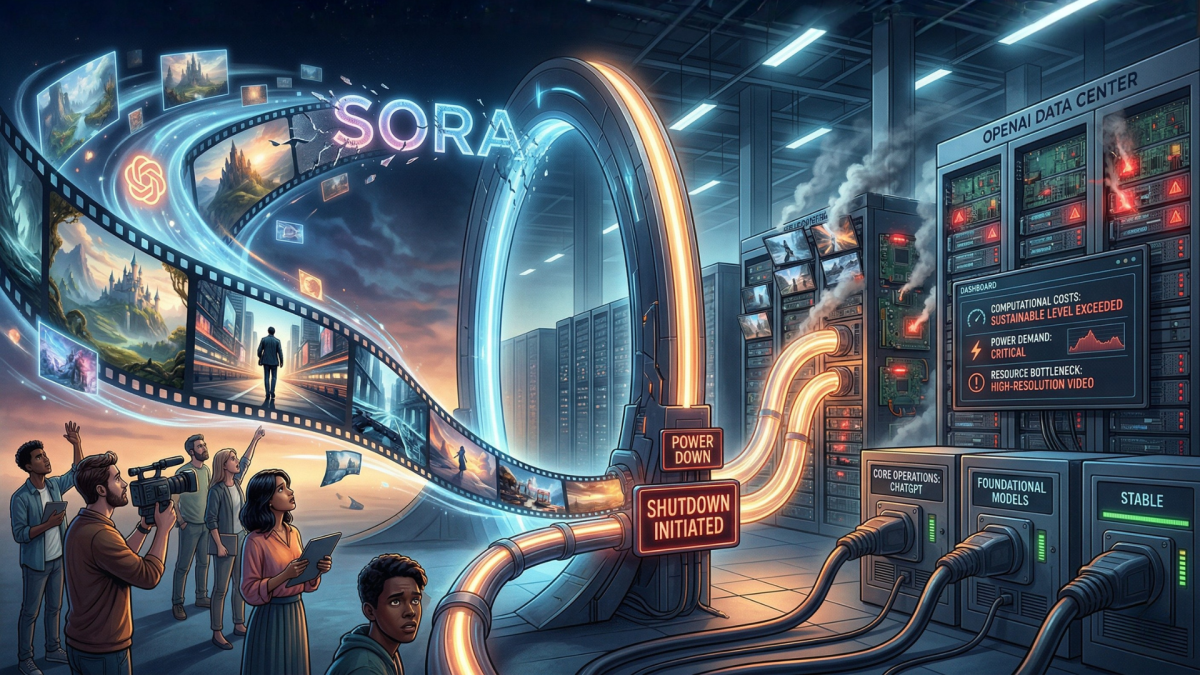
Rising Concerns – Data, Safety, and the Copyright Landscape
The decommissioning of Sora wasn't solely driven by logistical hurdles. Since its inception, Sora has been plagued by ethical concerns and intense scrutiny. The ability to create deeply realistic videos based on prompts raised immediate red flags about misinformation, deepfakes, and the potential for abuse in manipulating public opinion or creating non-consensual content. OpenAI, aware of these dangers, implement rigid safety guardrails during Sora's limited release, but the scale required for a public launch presented an entirely different set of challenges.
Furthermore, the legal landscape surrounding AI training data is increasingly contentious. Like other generative AI models, Sora was trained on a massive dataset, raising questions about copyright infringement. Authors, artists, and media companies have become vocal critics of AI companies using their copyrighted material without permission or compensation. The threat of large-scale lawsuits and the uncertainty of future intellectual property laws significantly compounded the risk associated with maintaining Sora as a public-facing product.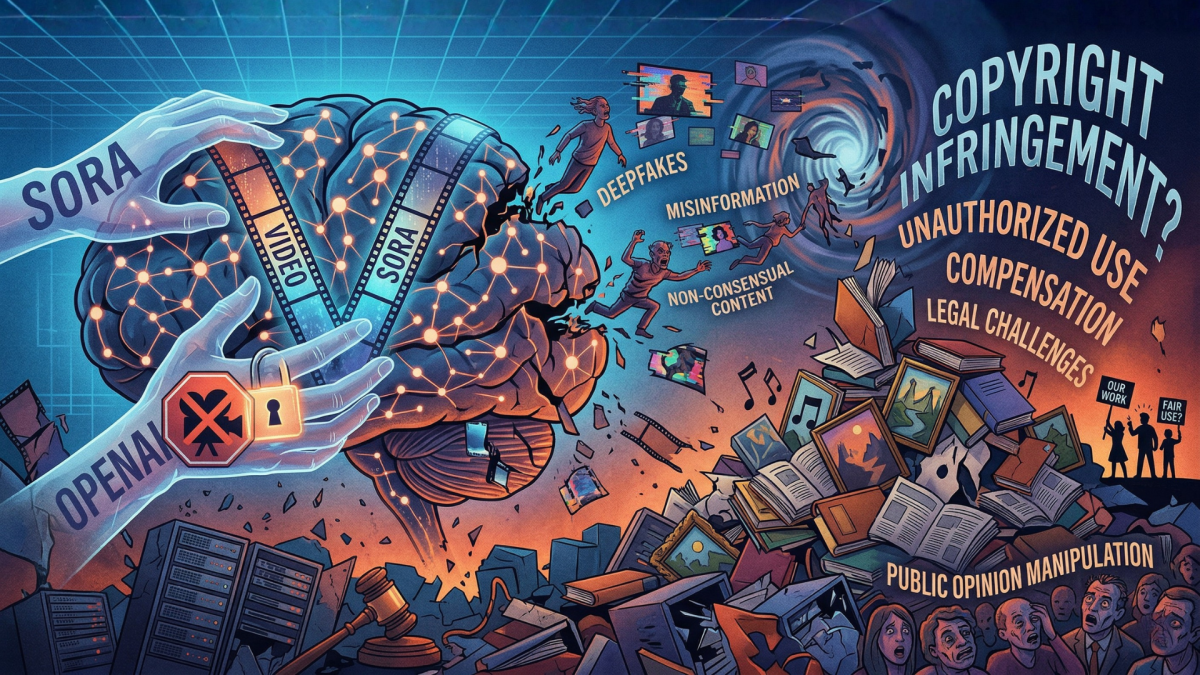
The Path Forward – Refining Foundations and Future Directions
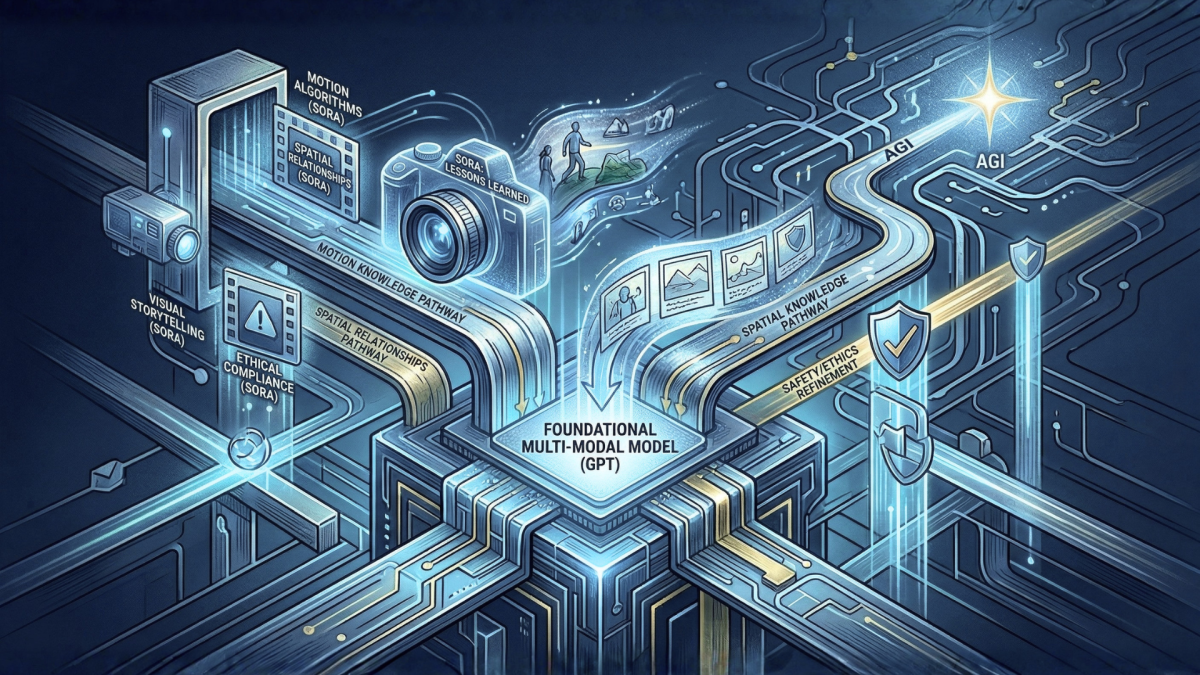
The shutdown of Sora, while significant, should not be misconstrued as an abandonment of AI video research by OpenAI. The company has explicitly stated that the knowledge and breakthroughs achieved during the development of Sora will be instrumental in the advancement of their other projects. The core technology that powered Sora – the understanding of motion, spatial relationships, and visual storytelling – will be integrated into foundational models, potentially leading to enhanced multi-modal capabilities in tools like future iterations of GPT.
OpenAI is pivoting its resources back toward its foundational models, focusing on robustness, safety, and addressing the persistent issues of hallucination and factual accuracy. The ultimate goal remains achieving artificial general intelligence (AGI), and refining the core language models is critical to that endeavor. While the standalone Sora platform is being deactivated, the lessons learned from its rapid rise and abrupt fall will likely shape the development of next-generation visual AI tools that are more sustainable, ethically sound, and legally compliant. The dream of accessible, powerful AI video generation isn't dead; it's just being refocused for a future that is more responsible and integrated.
Conclusion: A Strategic Retreat for a Stronger Future
The shutdown of Sora marks a pivotal moment in the rapidly evolving world of artificial intelligence. It serves as a stark reminder that even the most innovative and promising technologies face immense challenges when scaling, particularly concerning operational costs, ethical safeguards, and legal frameworks. OpenAI's decision to discontinue the Sora platform should be viewed as a strategic move to refine its focus, protect its core assets, and navigate the complex headwinds facing the AI industry. The legacy of Sora isn't simply the videos it generated, but the profound conversations it triggered about the future of creativity, data ethics, and the responsible deployment of powerful technological tools. The end of Sora is not an ending for AI video, but rather, a necessary pause for the technology to mature and return in a form that is safer, more equitable, and more integrated into the fabric of our digital lives.