
For decades, we viewed Natural Language Processing (NLP) as a tool for translation or simple chatbots. But as of 2026, the paradigm has shifted. NLP is no longer just a feature, it has become the Operating System of the world. It is the connective tissue between human intent and machine execution, evolving from a text-based interface into a multimodal, sovereign, and agentic force that powers global industry.
The Multimodal Revolution: Sensing Beyond Text
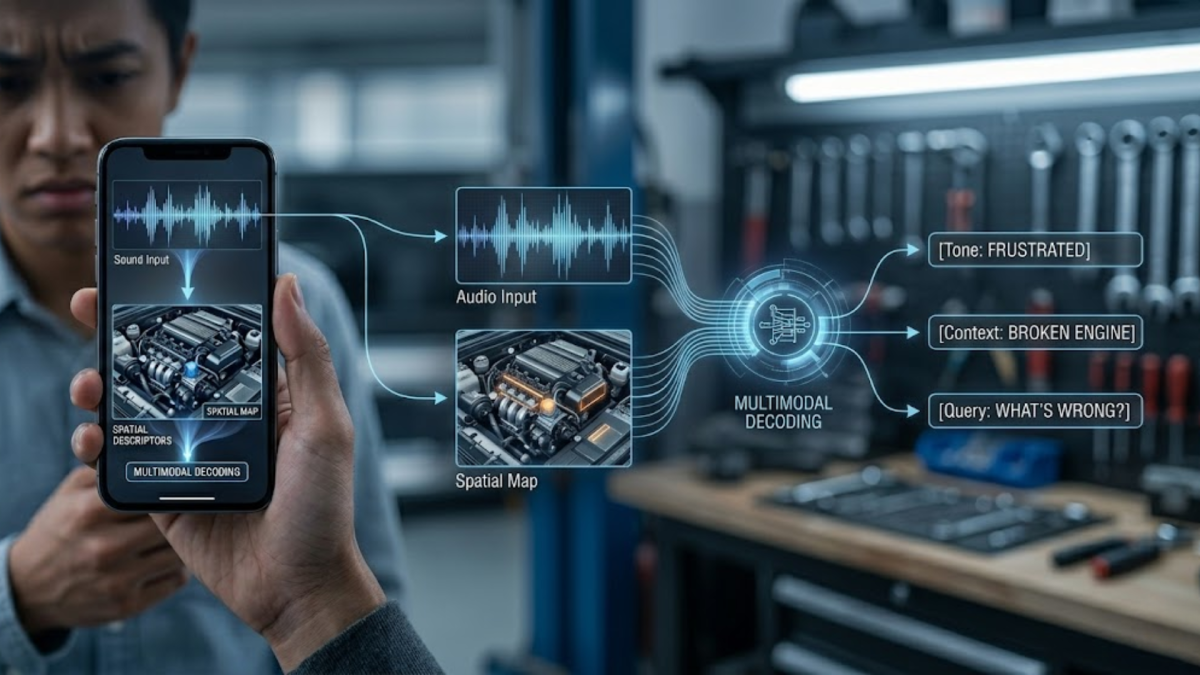
The "Language" in NLP has expanded its definition. We have moved past the era where models only processed strings of characters. Today’s state-of-the-art systems process speech, emotion, and visual context as a single, unified stream of data.
-
Contextual Awareness: If you point your camera at a broken engine and ask, "What’s wrong?" The NLP model doesn't just "see" the image, it understands the spatial relationship of the parts and the frustration in your voice.
-
Emotional Intelligence: Modern NLP detects micro-shifts in tone and syntax to gauge user sentiment, allowing for empathetic interactions that feel less like a script and more like a collaboration.
Sovereign NLP: Culture as a Digital Border
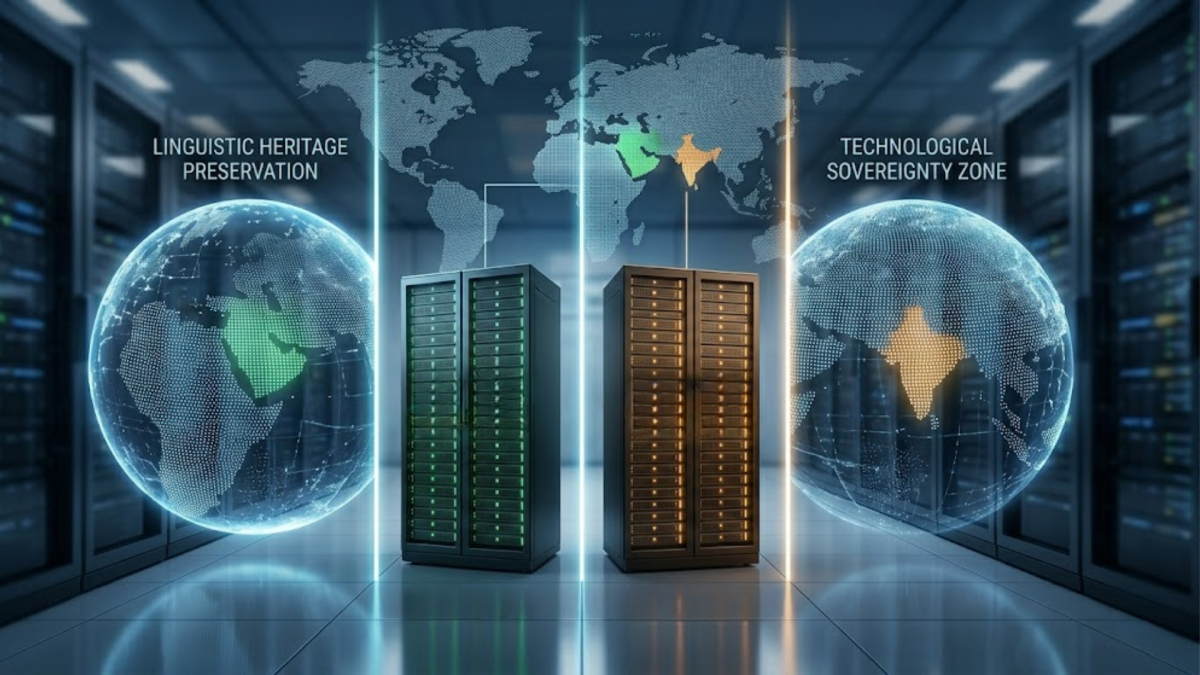
In a shift away from the early dominance of Silicon Valley, 2026 is the year of Digital Sovereignty. Nations have realized that language is the vessel of culture, and relying on foreign models risks "cultural dilution."
-
Regional Powerhouses: Models like the UAE’s Falcon and India’s Sarvam are designed with localized nuances, idioms, and values that Western models often miss.
- Data Independence: By building domestic NLP infrastructure, countries are ensuring that their sensitive data, and their linguistic heritage, remains under their own jurisdiction, fostering a new era of "Techno-Nationalism."
From Scale to Agency: The Rise of the Autonomous Workforce
The biggest technical milestone of late hasn't been making models "bigger," but making them smarter and more efficient. We have moved from massive, power-hungry clusters to "Small Language Models" (SLMs) that run locally on smartphones, prioritizing speed and privacy.
This efficiency has paved the way for Agentic Workflows:
-
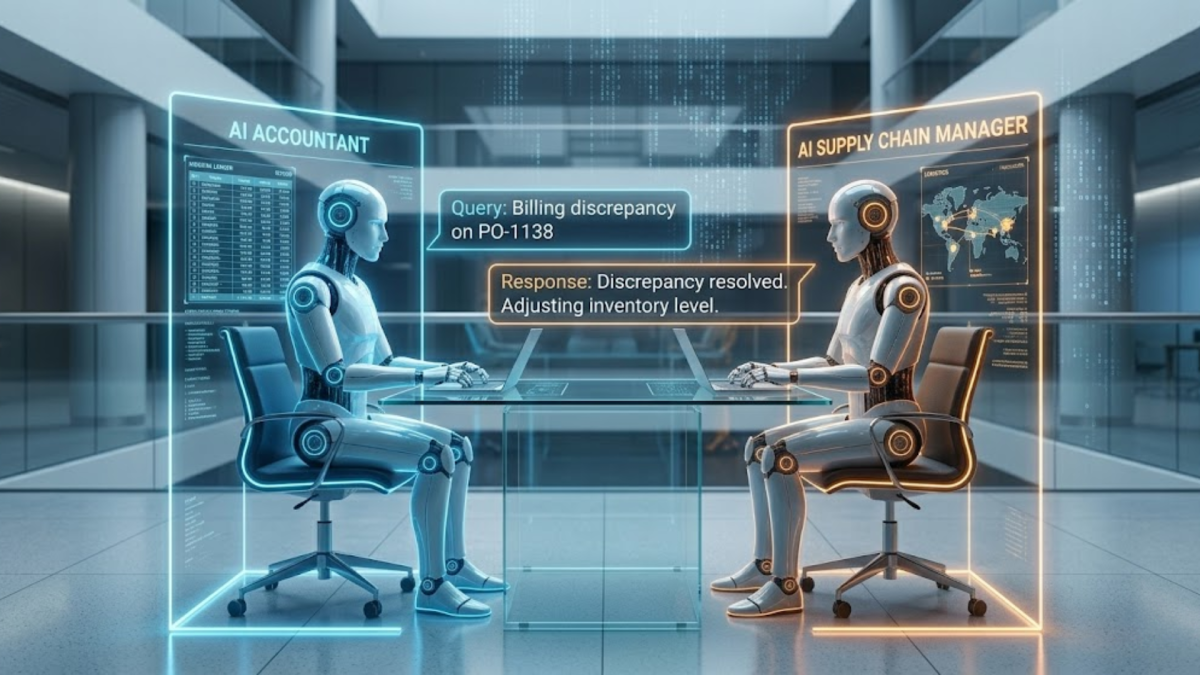
Machine-to-Machine Dialogue: Instead of a human acting as the middleman, an AI Accountant can now negotiate directly with an AI Supply Chain Manager to resolve a billing discrepancy.
-
The Invisible Hand: In this ecosystem, NLP acts as the protocol. The models "talk" to each other in structured language to automate entire corporate departments, turning a prompt into a finished, multi-step project without human intervention.
Conclusion: The Quiet Integration
As we look at the landscape of 2026, NLP has moved from the foreground to the background. It is the invisible layer that translates our world into action. By mastering multimodality, respecting cultural sovereignty, and enabling autonomous agency, NLP has officially transcended its role as a "word processor." It is now the engine of global progress, proving that when machines finally understand us, they can finally work for us.