Stop AI Tool Hopping: The Real Secret to Unlocking AI’s Potential
Switching AI tools won't fix poor results because modern platforms are already smart enough. The real issue is messy input, feeding any AI clean, structured data and clear guidelines yields great results, making input preparation far more important than app selection.
It is easy to find yourself trapped in an endless loop of software hopping. In the race to adopt artificial intelligence, many professionals cycle continuously through platforms, shifting from ChatGPT to Gemini, testing Claude, experimenting with DeepSeek, and trying Microsoft Copilot. Each move is driven by the same quiet hope: that the next tool will be the one to solve all inefficiencies and deliver flawless work.
Yet, after months or even years of switching platforms, the results often remain frustratingly inconsistent. The hard truth is that constantly changing apps rarely solves poor performance. The gap between disappointing AI output and game-changing productivity isn't caused by a lack of intelligence in the tool, it is caused by a lack of structure in how you prepare your work before the AI ever sees it.
The Fallacy of the "Smarter" AI Model
The main reason people switch tools is the belief that their current app simply isn't smart enough to handle their specific task. When a prompt generates a dry, generic, or off-target result, it is tempting to blame the model and migrate to a competitor.
However, today's leading frontier models are already extraordinarily capable. They possess vast knowledge bases, high-level reasoning capabilities, and complex pattern-recognition skills. When an AI produces a mediocre outcome, it is almost never because the model reached its intellectual limits. Instead, it is a direct reflection of how the task was framed. Switching from one top-tier platform to another without changing how you define your task only guarantees that you will get the exact same mediocre outcomes, just inside a different user interface.

Clean Data Makes or Breaks Performance
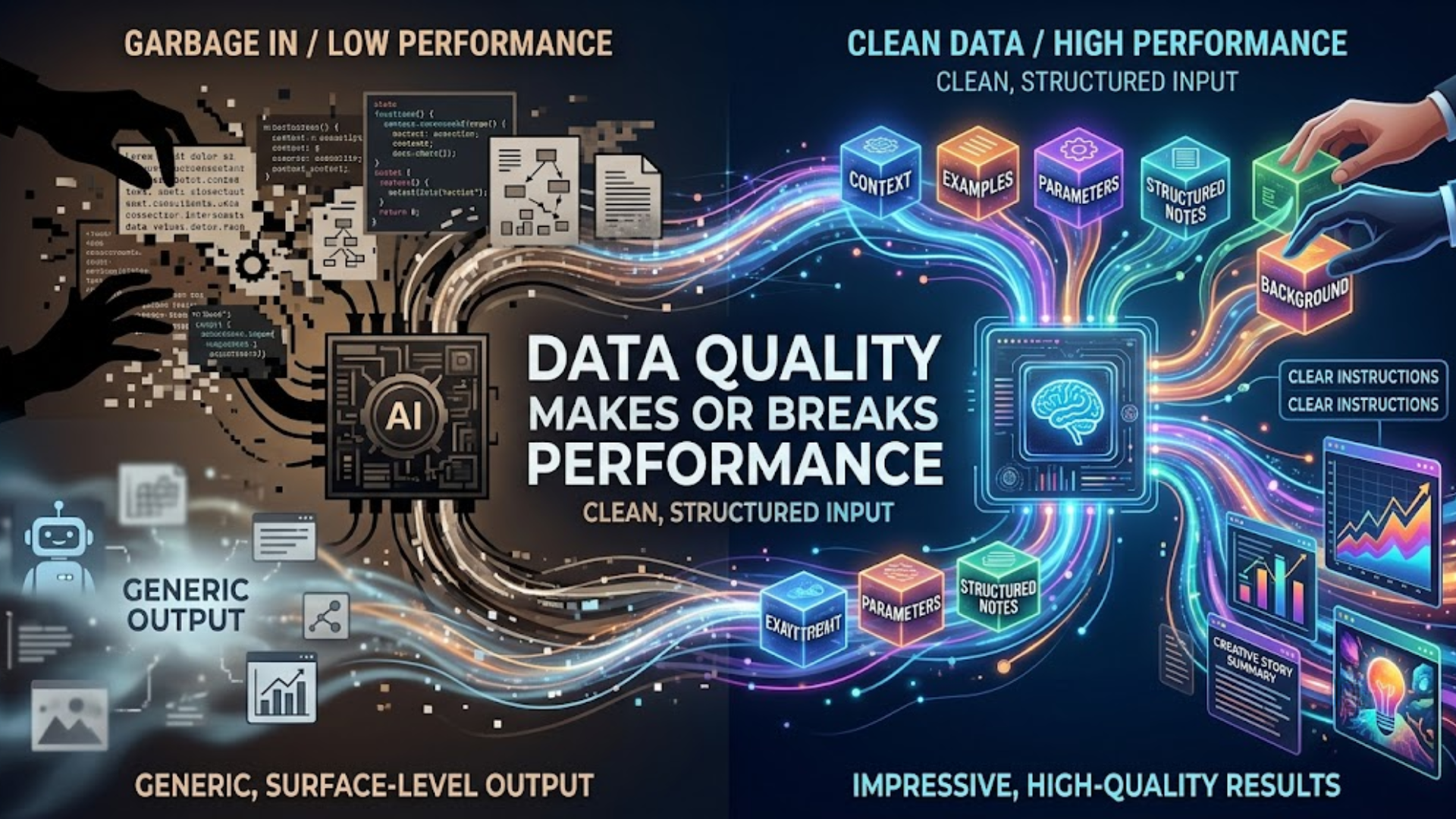
Generative AI operates on a fundamental principle: garbage in, garbage out. The quality, clarity, and organization of your input data dictate 100% of the quality of the output.
When you feed an AI clean, structured information, complete with clear context, specific background details, strict parameters, and distinct examples, virtually any modern model will deliver impressive results. Conversely, when you feed it unstructured chaos, unedited notes, or vague instructions, even the most advanced AI will default to generic, surface-level assumptions. The performance gap does not exist between competing software brands; it exists in the crucial preparation phase before the prompt is submitted.
Focus on Workflow Setup Over App Selection
The most valuable skill in the modern AI era isn't knowing which app to download, it's mastering the art of tool setup. High performers don't waste time hunting for a magical tool; they focus on building a repeatable system for structuring inputs that works on any platform.
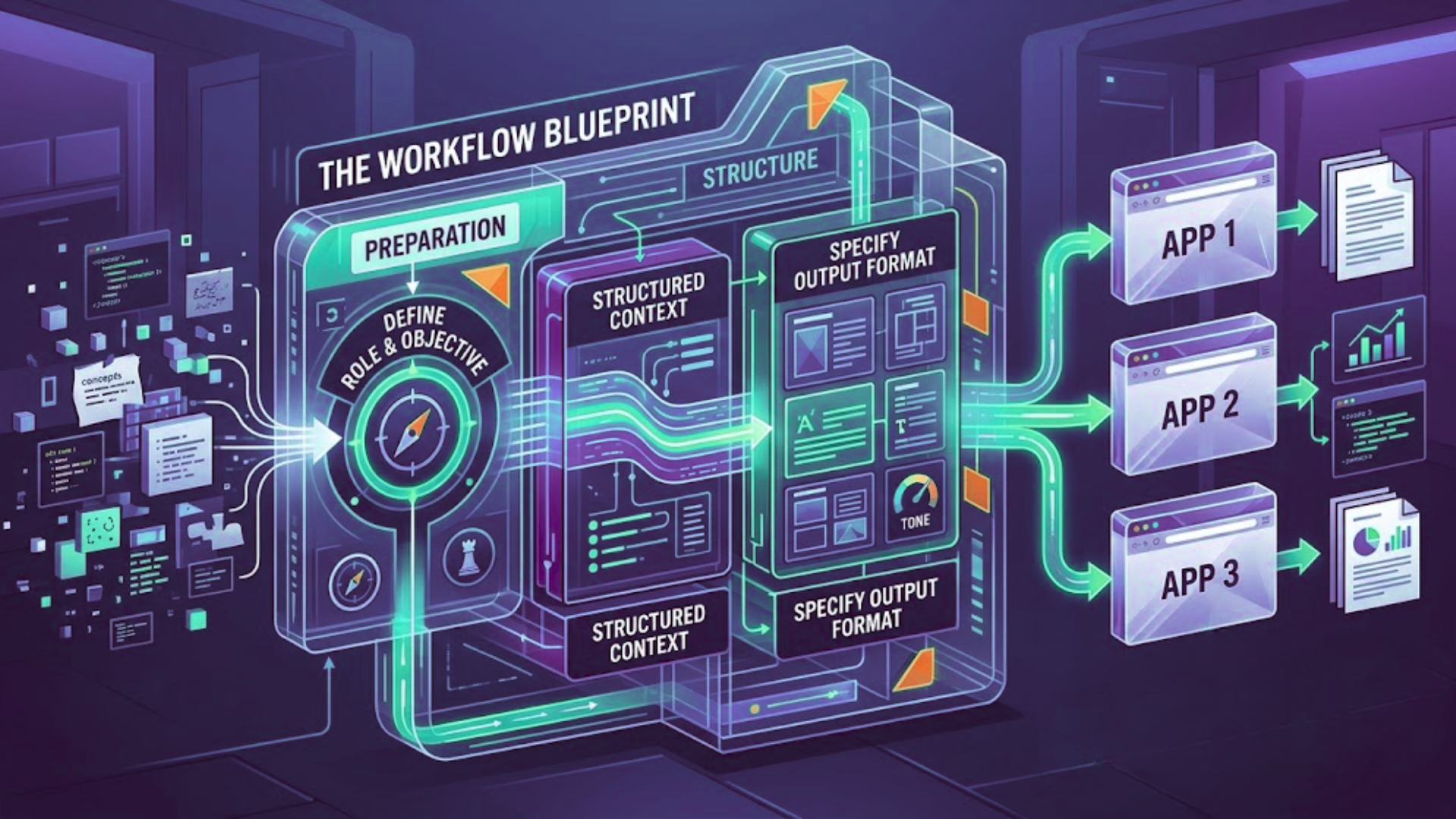
Setting up a tool properly means taking time to organize your raw materials before prompting:
- Define the Role and Objective: Clearly establish who the AI is acting as and what success looks like.
-
Provide Structured Context: Supply clean background data, relevant guidelines, and constraints up front.
-
Format the Desired Output: Explicitly specify the tone, structure, length, and style you expect in return.
Once you establish a standardized methodology for data preparation, you instantly unlock high performance across any major AI platform you choose to use.
Conclusion: Master the Input to Control the Output
Constantly chasing the next shiny AI platform creates an illusion of progress, but it ultimately leaves the root cause of poor results unaddressed. True efficiency and mastery come from accepting that today's tools are already more than smart enough to handle your workload.
By shifting your energy away from tool-hopping and toward mastering your data structure, you take complete control of the generation process. When you focus on refining what goes into the system, high-quality, actionable output becomes the natural result, no matter which app you use.
Watch the full video on LinkedIn 👉
https://www.linkedin.com/feed/update/urn:li:activity:7489953612043821056