
Is This the End of Traditional Video Editing? Inside Higgsfield’s Breakthrough "Miracle" Engine
Higgsfield’s new AI engine, Miracle, shifts video post-production from generative prompts to real-time, precision editing. By deconstructing footage into editable layers, it allows creators to modify specific objects, adjust surface textures, dynamically relight scenes, and seamlessly remove unwanted elements without rerendering entire clips. Ultimately, it cuts expensive reshoots and tedious rotoscoping, moving video editing toward fast, conversational post-production.
Video post-production has long been defined by tedious timelines, manual rotoscoping, and rigid visual-effects workflows. While generative AI models opened new frontiers for synthesizing clips from scratch, refining existing footage with surgical control remained an elusive challenge. Higgsfield has unveiled Miracle, a proprietary editing technology engineered to bridge this gap by vectorizing video into editable layers in real time, granting creators pixel-level authority over live footage.
Pixel-Level Layering and Localized Manipulation
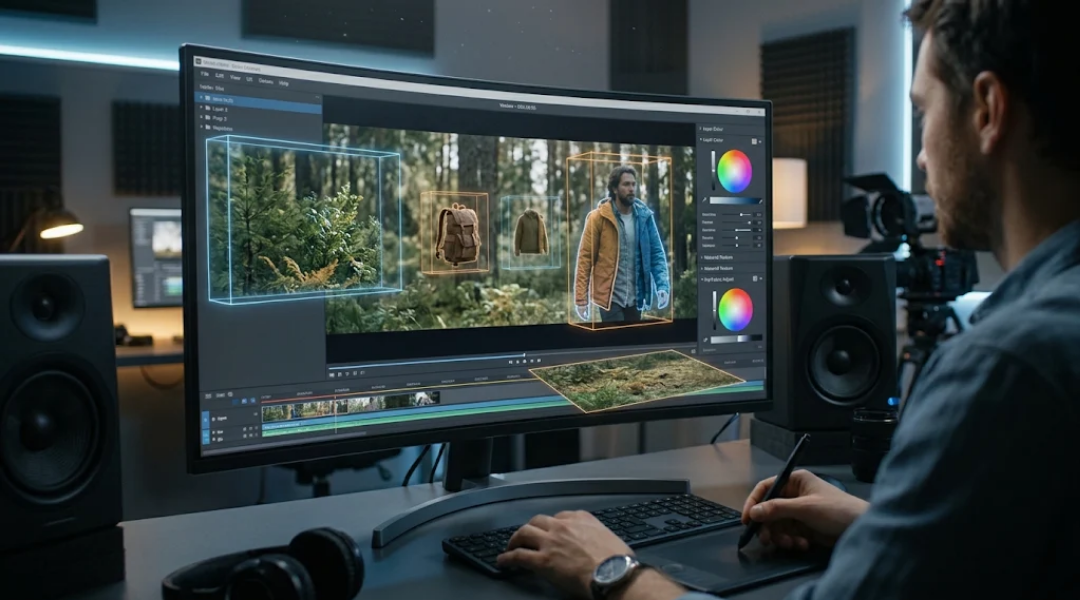
At the core of Miracle is its ability to deconstruct standard video clips into distinct, interactive layers. Rather than forcing creators to re-render entire scenes to fix minor details, the model isolates individual subjects, props, and surfaces with precision. Editors can modify isolated elements, such as altering a garment's color, replacing specific background vegetation, or adjusting tactile properties like fur length and fabric texture, directly during playback. By preserving surrounding lighting, physical motion, and spatial geometry, it delivers granular control without the visual artifacts or color bleeding common in earlier AI approaches.
Dynamic Relighting and Camera-Aware Compositing
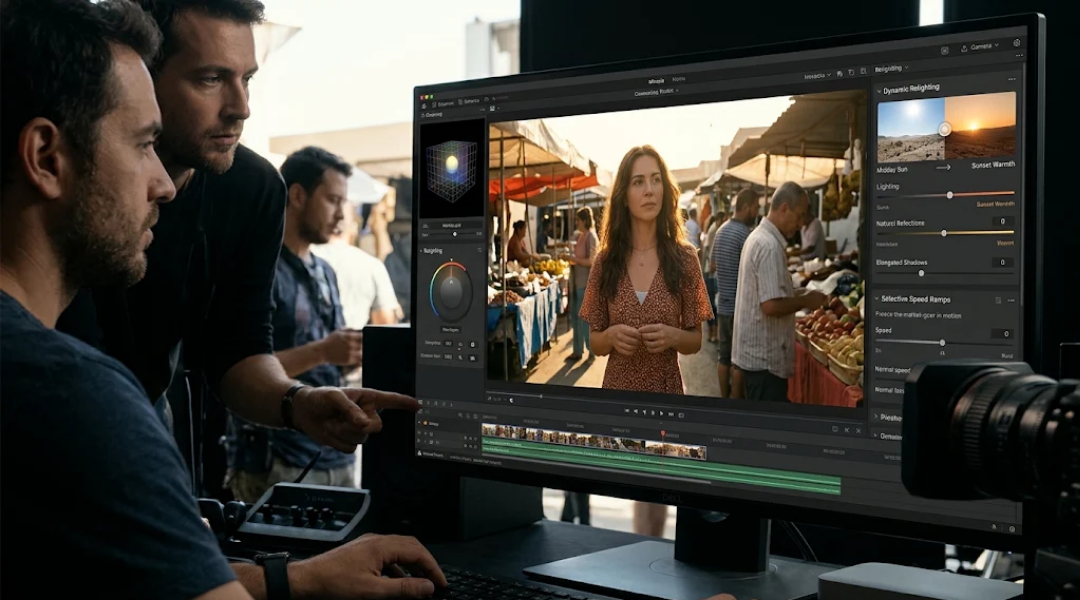
Beyond superficial retouches, the platform introduces deep spatial and volumetric understanding to existing shots. Miracle enables creators to dynamically relight scenes long after production wraps, turning midday direct sunlight into warm sunset tones while naturally recalculating shadows, reflections, and ambient highlights across every moving frame. Combined with selective speed ramps that can freeze one subject while keeping surrounding movement fluid, the system allows complex compositing, such as merging elements from separate takes or tweaking exposure across high dynamic range profiles, without requiring complex 3D tracker setups.
Automated Object Removal and Intelligent Scene Inpainting
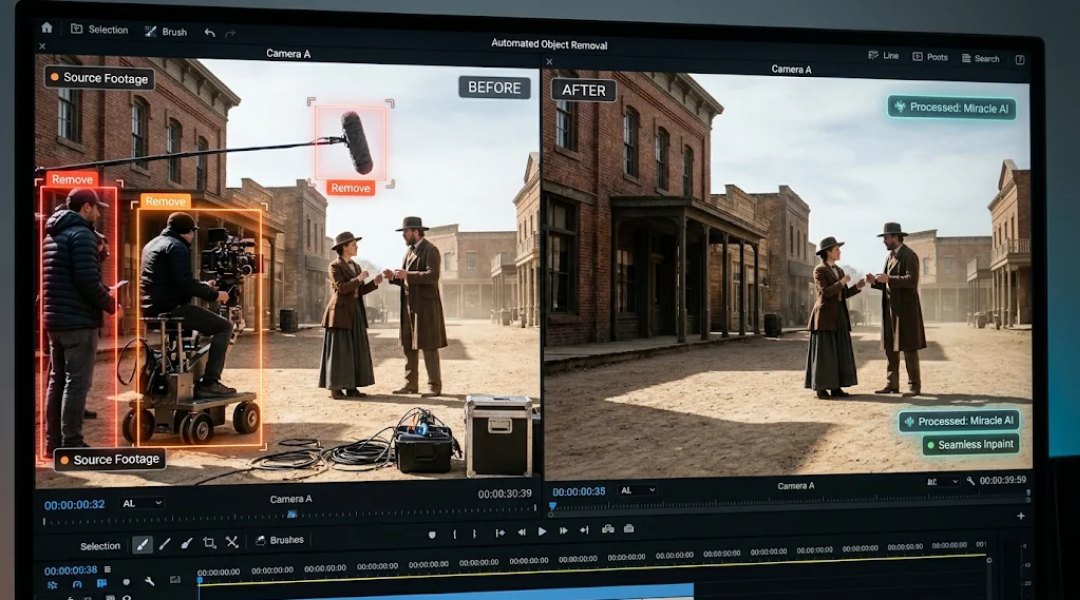
Removing unwanted gear, microphones, and production crews from raw footage traditionally demands dozens of hours of painstaking frame-by-frame rotoscoping. Miracle automates this process through real-time tracking that locks onto moving people, vehicles, and equipment, even when occluded by passing foreground objects or erratic camera movement. Once an element like an overhead boom mic or camera operator is selected, the engine tracks it across the shot, removes it, and in-paints the missing background background with coherent textures and lighting instantly.
Conclusion: The Next Frontier in Post-Production
Higgsfield’s Miracle signals a fundamental shift from generative novelty to functional production utility. By pairing deep world knowledge with layer-based real-time editing, it eliminates traditional VFX bottlenecks, cuts expensive reshoots, and redefines how visual storytellers interact with moving images. As the platform transitions through private beta and expands into agentic workflows via MCP integration, video post-production is rapidly moving from an era of laborious keyframing into one of immediate, conversational control.