How AI Voice Cloning Is Revolutionizing Global Video Content
AI voice cloning and video dubbing are eliminating language barriers by letting creators translate a single video into multiple languages using their authentic voice, tone, and lip-syncing. This enables global reach on platforms like TikTok and Instagram Reels while preserving authenticity and fostering seamless worldwide cultural exchange.
In today’s digital landscape, creators face a major obstacle: the language barrier. A video recorded in Arabic might resonate deeply across the Middle East, but without translation, it remains inaccessible to billions of potential viewers globally. Recent breakthroughs in artificial intelligence are now removing this barrier entirely, allowing creators to translate and dub their videos into virtually any language while preserving their own real voice, tone, and delivery.
The Mechanics Behind AI Voice Cloning and Dubbing
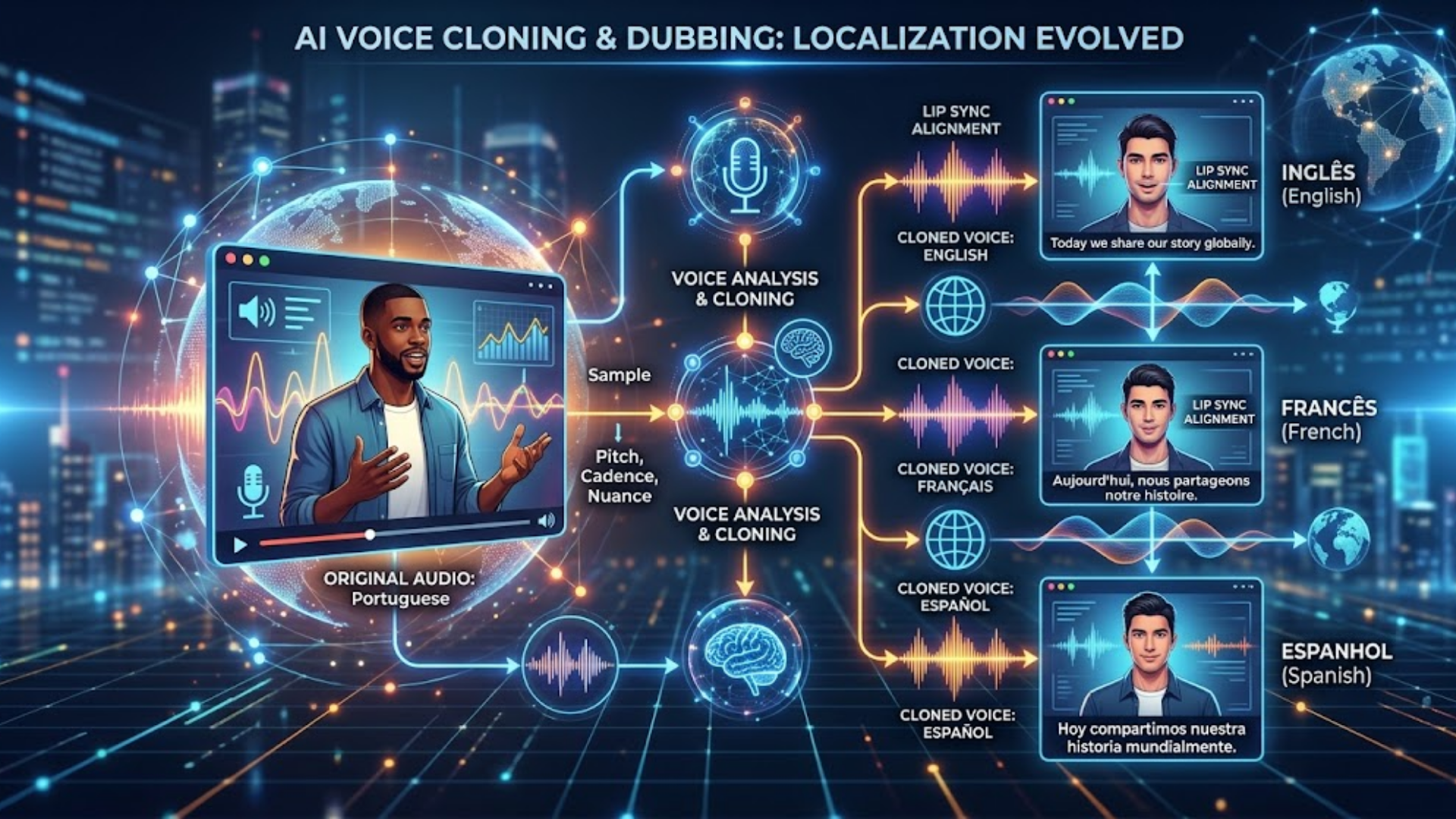
Traditional video localization relied on subtitles, which require viewers to read along, or expensive human dubbing that often stripped away the original speaker's personality. AI-powered translation changes this dynamic by combining speech recognition, contextual translation, and voice cloning into a single automated workflow.
The system analyzes a brief sample of the speaker's original audio track to capture pitch, cadence, and vocal nuance. It then translates the spoken text into target languages like English, French, or Spanish and generates new audio using the creator’s cloned voice. Advanced visual alignment models can even sync the speaker's lip movements to match the newly generated language, ensuring the final result looks natural.
Unlocking Universal Reach for Creators and Brands
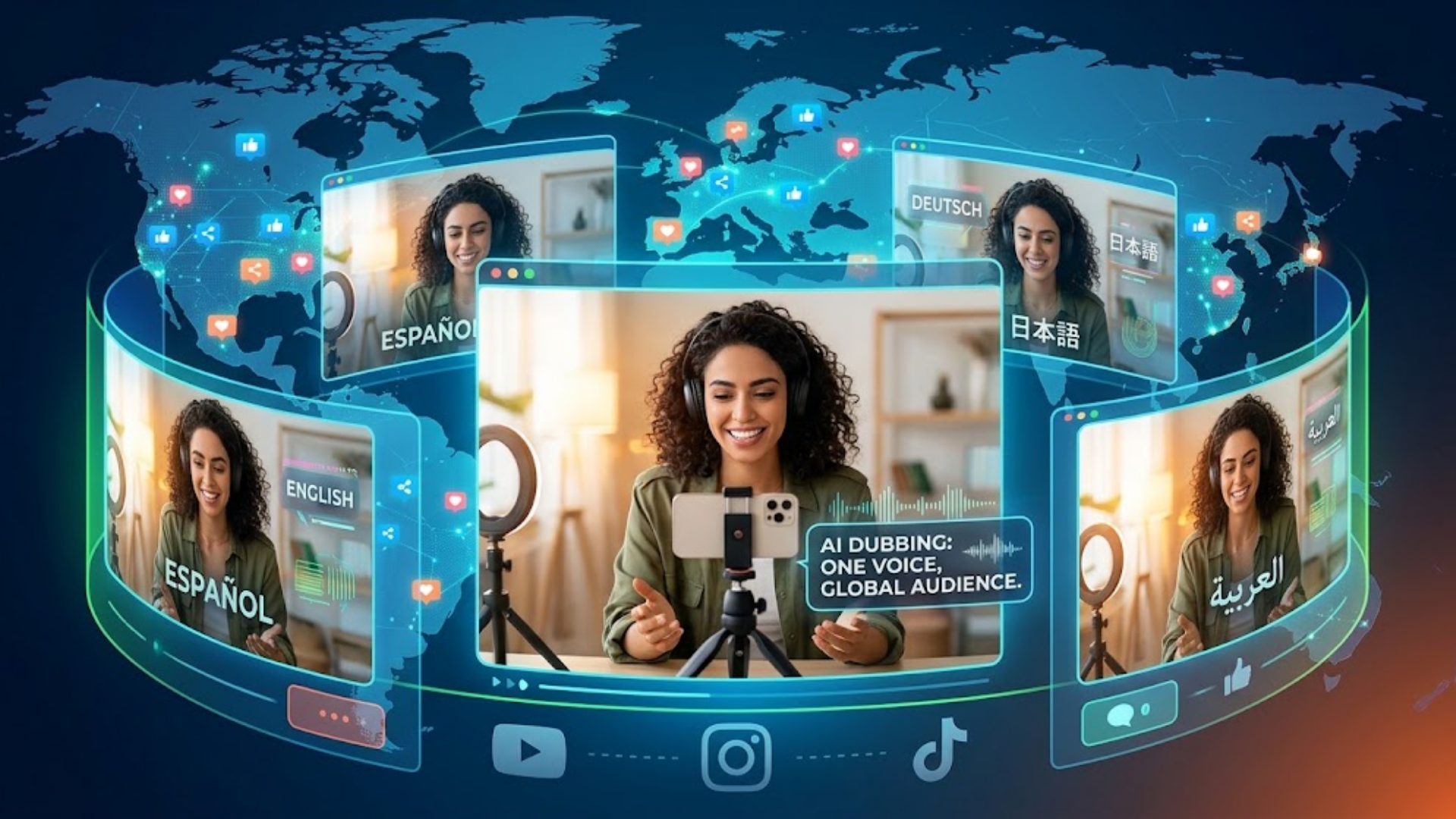
For social media platforms like Instagram Reels, TikTok, and YouTube Shorts, AI dubbing completely changes how content is distributed. Creators no longer need to record multiple takes in different languages or manage separate channels for localized audiences.
By publishing a single video that can be seamlessly translated into multiple languages, creators can reach audiences across North America, Europe, Asia, and Latin America simultaneously. Crucially, because the cloned voice sounds like the original creator, the content retains its authenticity, emotional weight, and personal branding regardless of the language spoken.
Cultural Bridge-Building and the Future of Media
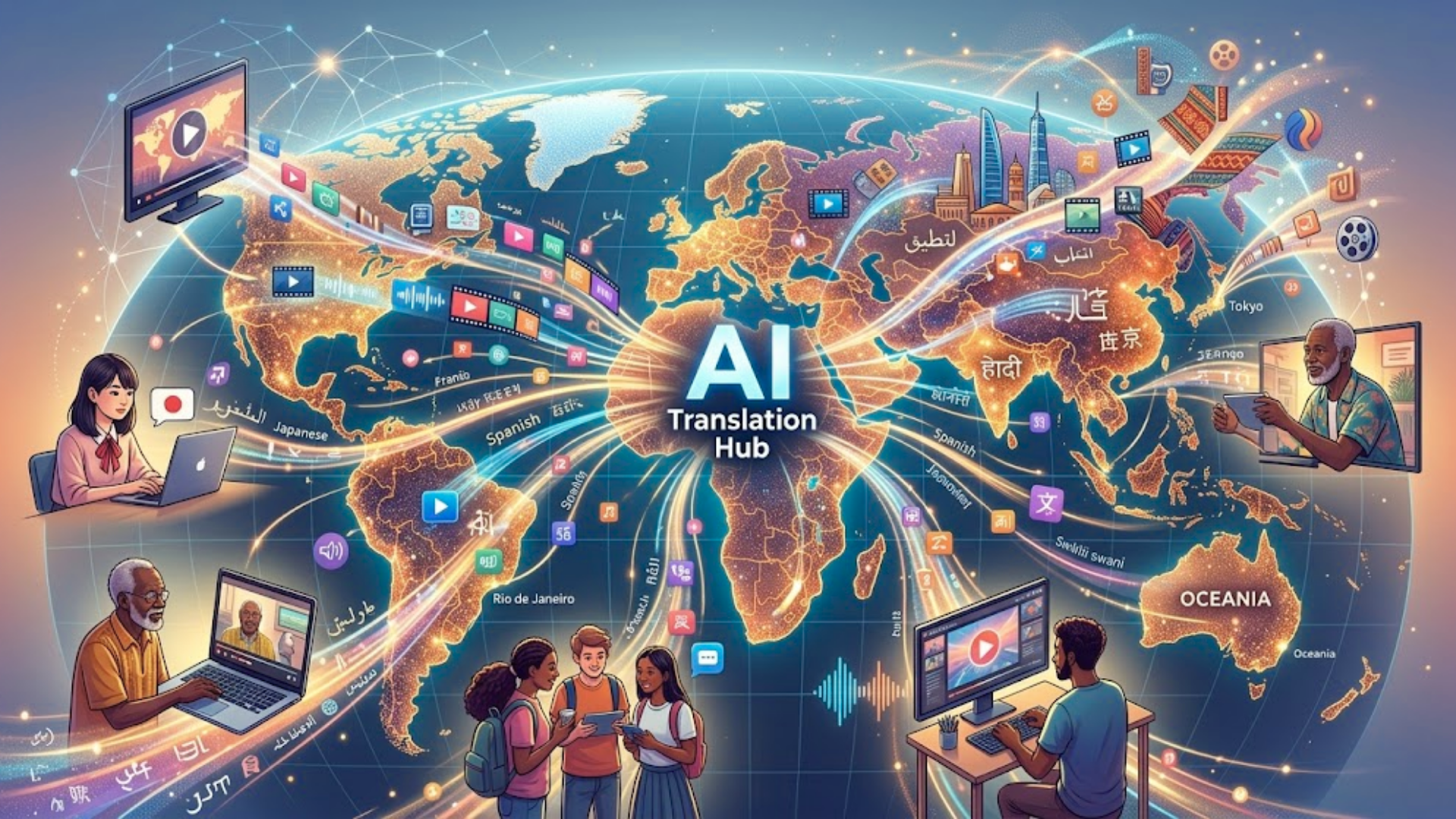
Beyond convenience and viewer numbers, AI video translation plays a vital role in cultural cross-pollination. Ideas, educational resources, and entertainment that were previously confined to regional audiences can now circulate globally in real time.
This technology levels the playing field for non-English content creators, giving regional voices equal access to the global digital economy. As these tools become more accessible, the geographic and linguistic boundaries of online media will continue to dissolve, making online content truly universal.
Conclusion: A New Era of Borderless Communication
The integration of AI voice cloning and automated video translation marks a fundamental shift in digital storytelling. By enabling a single piece of content to speak fluently to audiences worldwide in the creator's authentic voice, AI is dismantling traditional communication barriers. As these tools continue to evolve, the future of online video will no longer be defined by the language you speak, but by the story you have to tell.
Watch the full video on Instagram 👉
https://www.instagram.com/reel/Dcv3F8zqh5Z/?igsi=b2ZuM3ZxZjBreW10