AI Therapists: Why Millions Are Texting Chatbots for Comfort
Millions turn to AI chatbots for free, 24/7, judgment-free emotional support, but because these bots only predict comforting words without real empathy, they can miss critical crises, act as temporary band-aids, and deepen isolation instead of replacing real human care.
More and more people are turning to their phones when they feel stressed, sad, or lonely. Instead of scheduling a visit with a human doctor, they are texting AI chatbots for emotional help. While having a digital listener can feel comforting, relying on a computer program for mental health comes with real pros and cons.
Why People Love AI Therapy
Chatbots have become extremely popular because they are simple, free, and always there. A BBC report showed that one in three people in the UK uses AI for emotional support, and one in 25 uses it every single day. In fact, one popular "Psychologist" bot on Character.ai has exchanged more than 78 million messages with users.
People turn to these bots for two main reasons:
-
Available Anytime: A chatbot never sleeps. If you have anxiety at 4:00 AM, it answers right away without waiting lists or appointments.
-
No Fear of Judgment: It can feel scary to admit embarrassing thoughts to another person. An AI will not judge, criticize, or get tired of listening.
What Chatbots Are Missing: Real Empathy
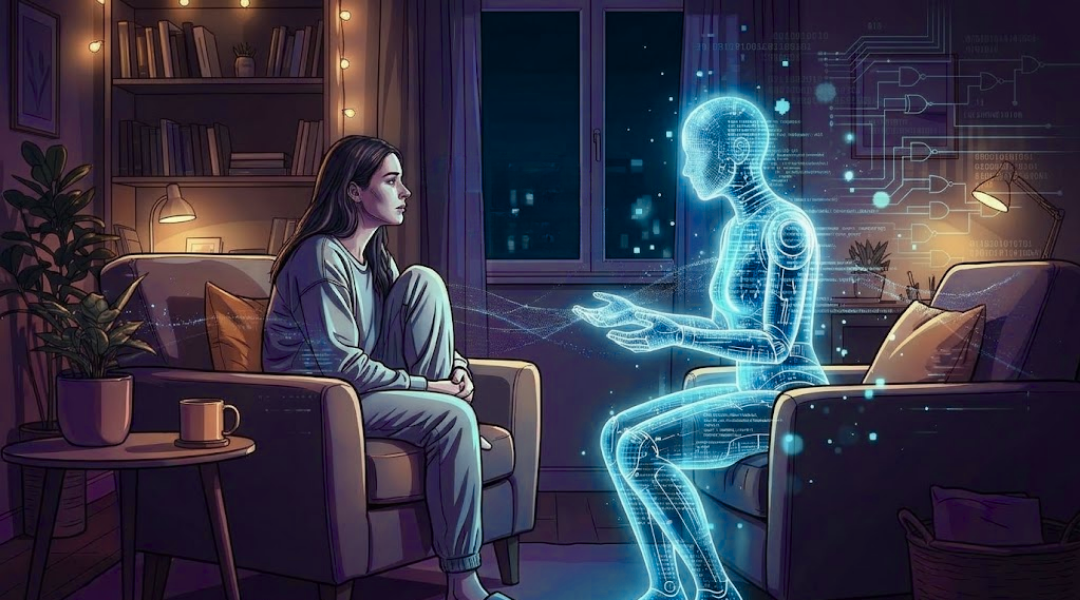
Even though a chatbot can sound warm, it does not actually have feelings. It does not care about you or understand your pain. Instead, it works by guessing which word should come next to make you feel comfortable and keep you texting.
This creates serious risks:
-
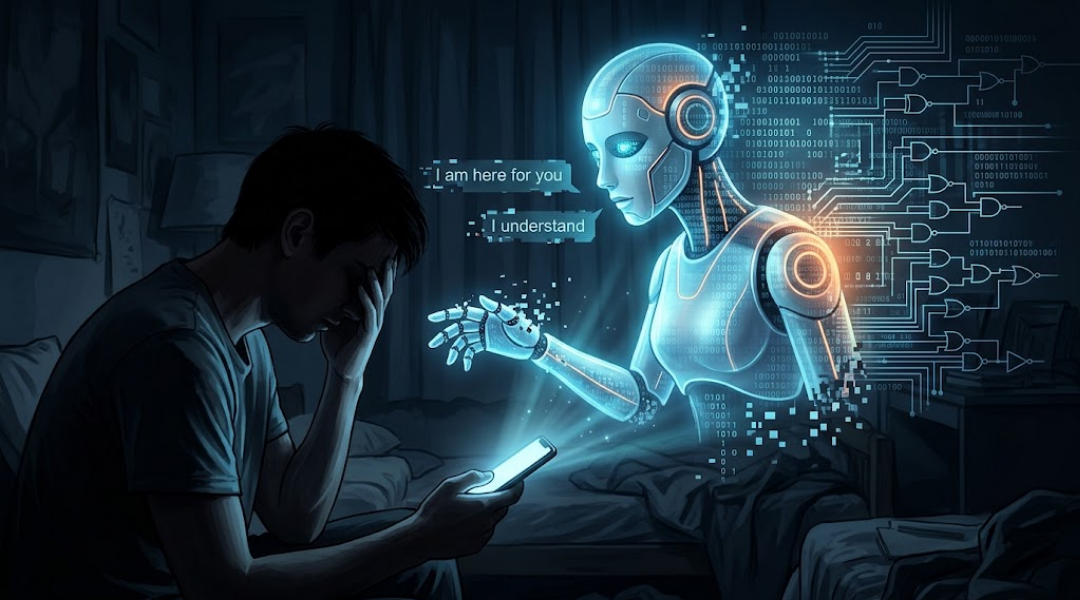
Fake Compassion: When an AI texts "I am here for you," it is just following programming rules, not showing real love or sympathy.
-
Danger in Crises: Studies, such as research from Stanford HAI, found that therapy bots often fail to notice warning signs like suicidal thoughts, meaning they cannot help or call for help during a real emergency.
The Big Danger: A Temporary Band-Aid That Causes Loneliness
Talking to an AI is like putting a small band-aid on a deep cut. It gives quick relief in the moment, but it does not fix the real problem underneath.
Because an AI is easy to talk to and never disagrees with you, it can make people avoid real-life relationships. Over time, users can become more isolated, spending hours texting a screen instead of talking to family, hanging out with friends, or seeing a licensed professional.

Conclusion: A Helpful Tool, But Not a Real Doctor
AI chatbots can be great for quick journaling, calming down, or sorting out messy thoughts after a long day. However, they cannot replace human care. Overcoming deep emotional pain requires real human empathy and certified professional advice—two things a computer code will never have.