3 Trending AI Video Tools: Which Ones Are Worth Your Money?
n evaluation of three trending AI video tools reveals where content creators and businesses should focus their budgets. Software that turns reference documents into interactive study guides and explainer materials provides significant value, as do post-production platforms that streamline multi-language dubbing, translation, and editing for global audiences. Conversely, synthetic AI avatar generators may not justify their cost for every workflow, making content synthesis and localization the clear high-ROI choices.
In today's fast-paced digital landscape, artificial intelligence is transforming how content is created, edited, and distributed. With dozens of new platforms launching every month, content creators, marketers, and businesses face a crucial decision: which tools genuinely improve productivity, and which ones are just an unnecessary expense? Here is a breakdown of three popular AI video tools and how they compare in terms of practical value.
Automated Learning and Explainer Content
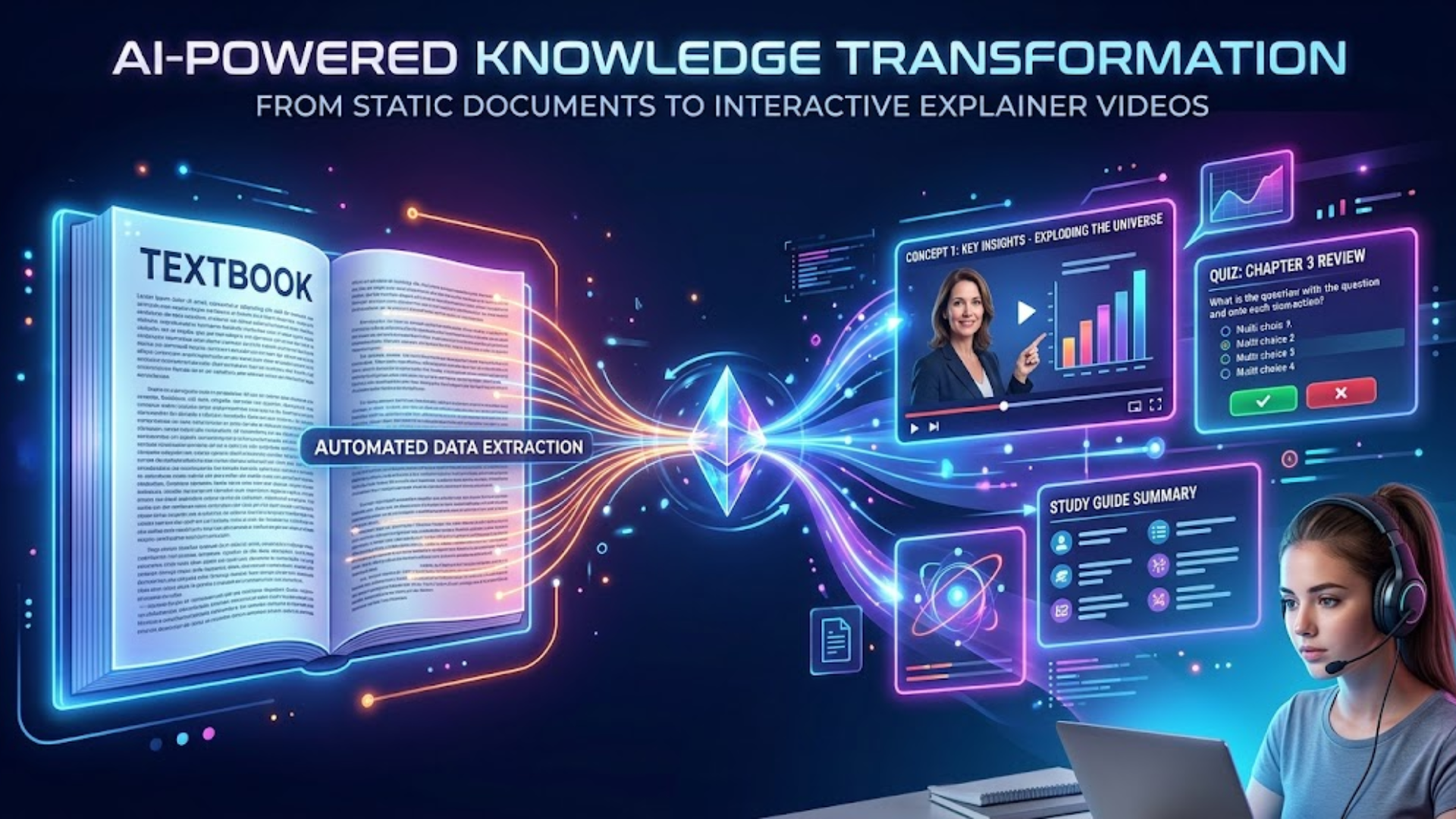
The first category of AI video software focuses on transforming long-form reference materials, such as document chapters, courses, or training modules, into interactive visual content. These tools automatically extract key insights to build detailed study guides, quizzes, and background assets for explainer videos. By turning static text into structured media, they save hours of manual research and scripting, making them indispensable for educators, students, and course creators.
Realistic Avatars for Camera-Free Production
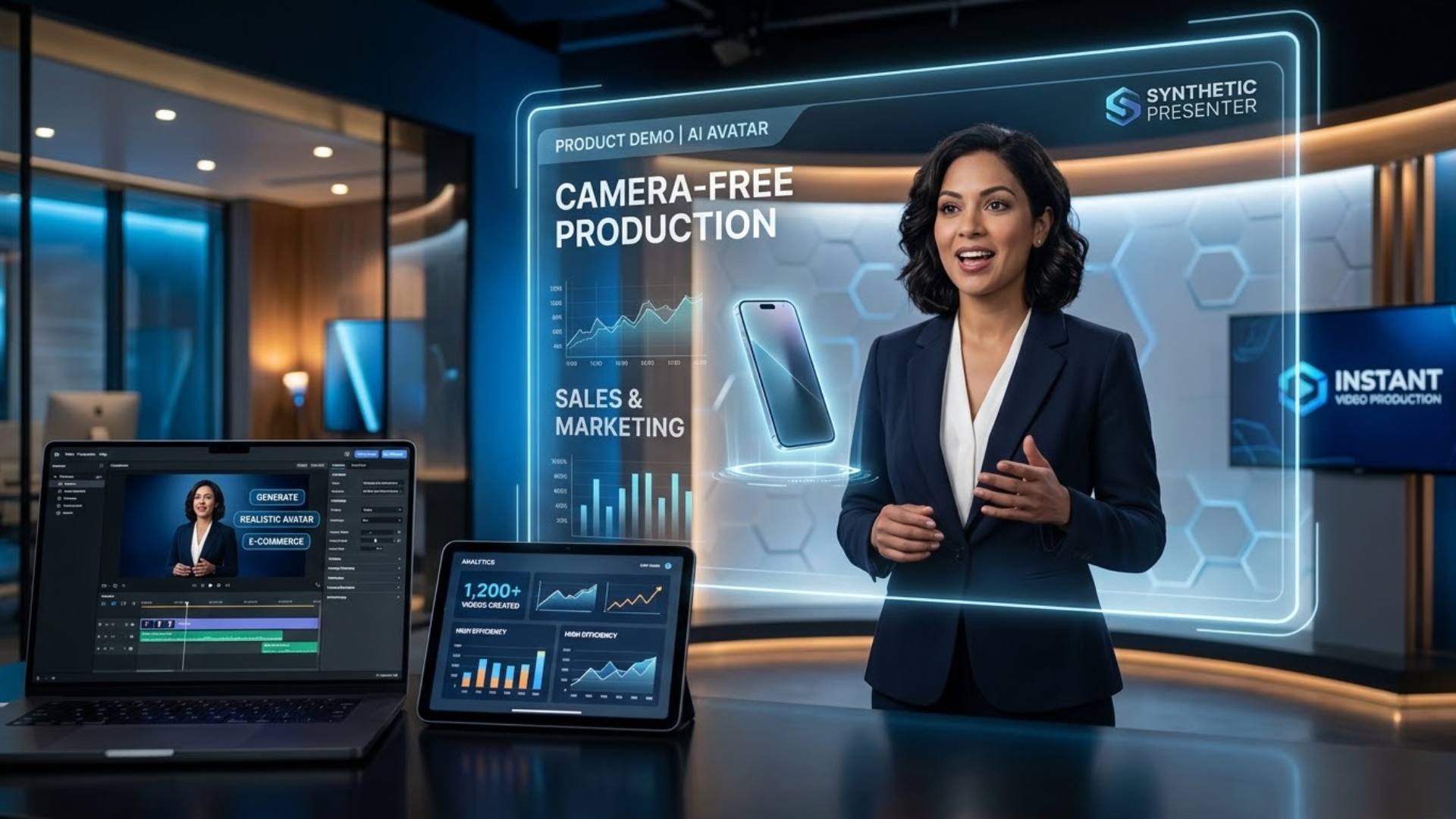
The second tool leverages realistic AI avatars to generate video presentations without needing a physical setup or camera operator. Designed primarily for marketing teams, e-commerce brands, and sales agencies, this technology can produce product demonstrations, promotional clips, and customer testimonials using synthetic presenters. While it offers a convenient shortcut for generating high volumes of video content quickly, the quality and engagement can vary depending on your brand's need for authentic human connection.
Multilingual Dubbing and Automated Editing
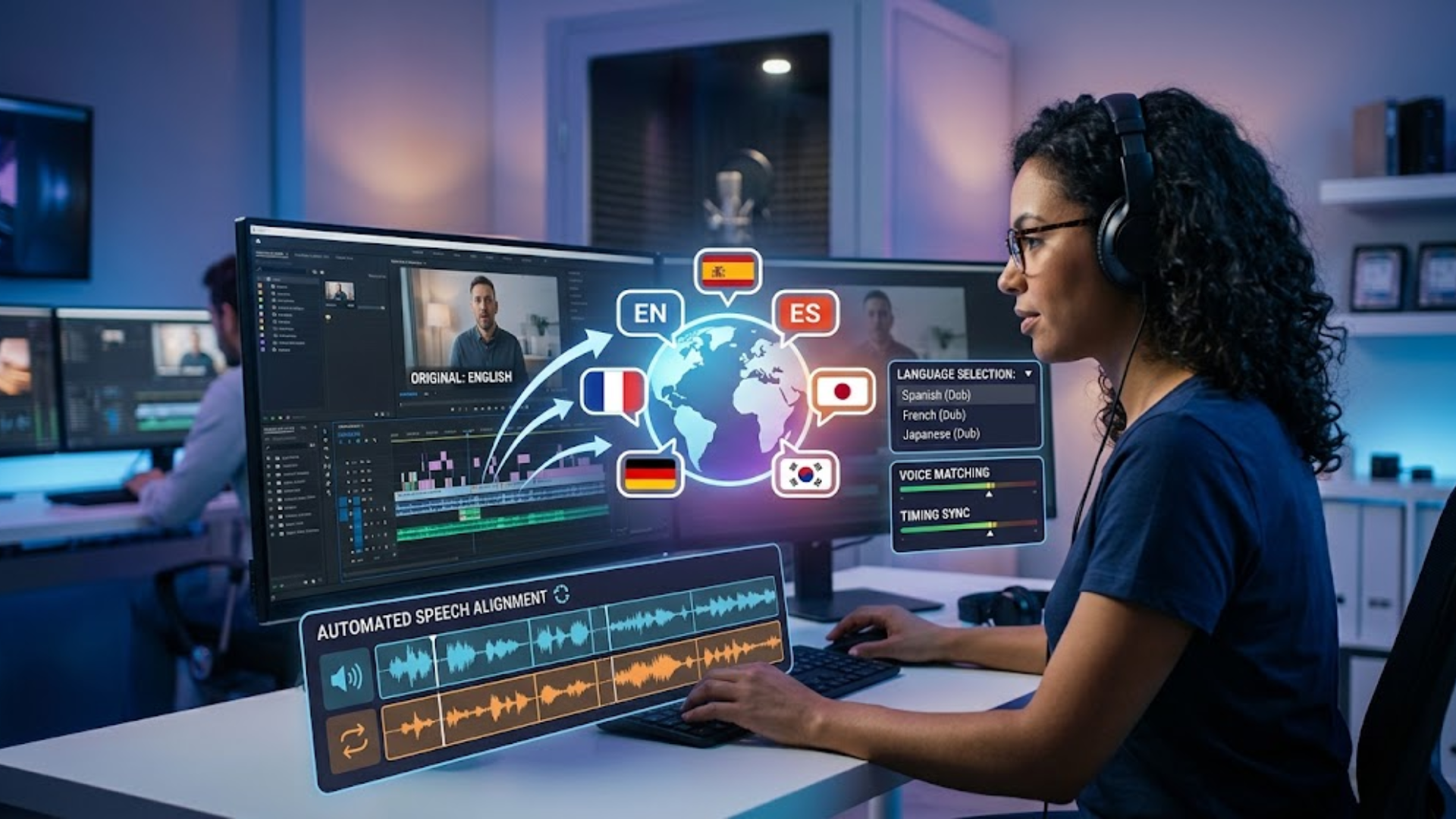
The third tool tackles post-production challenges, specifically localization and video editing. It enables users to translate spoken audio, dub videos into multiple languages while matching speech timing, and perform automated timeline edits. For creators and global organizations looking to scale their reach across international markets without re-shooting content, this type of software offers an efficient, all-in-one post-production workflow.
Conclusion: Spending Smart on AI
While all three tools showcase impressive technological advancements, not every platform delivers equal return on investment. Tools that focus on deep information synthesis (explainer and study generators) and global audience reach (dubbing and translation) consistently provide high utility for day-to-day operations. On the other hand, specialized tools like synthetic avatars may not suit every workflow. Selecting the right combination comes down to evaluating which software directly streamlines your specific production process rather than simply following the latest trend.
Watch the full video on Instagram 👉
https://www.instagram.com/reel/Dc_WL4sK6lZ/?stkn=MXZ0ZmYyODdjb21hcg==