Beyond the Chatbot: How Anthropic Reimagines Claude as a 24/7 Design Studio
Meaghan Choi shares how Anthropic uses Claude as a 24/7 design studio rather than a standard chatbot. By maintaining continuous access to the AI, the team moves faster, iterates in real time, and optimizes their everyday design workflows.
Most people interact with AI models as simple chatbots, asking a quick question, getting a text summary, or generating a piece of code. However, as AI capabilities advance, leading tech teams are completely altering their mental model of how to collaborate with these systems. At Anthropic, Head of Design Meaghan Choi and her team treat Claude not as a conversational tool, but as an expansive design studio and continuous co-creator.
Operating in High-Speed, Compressed Timelines
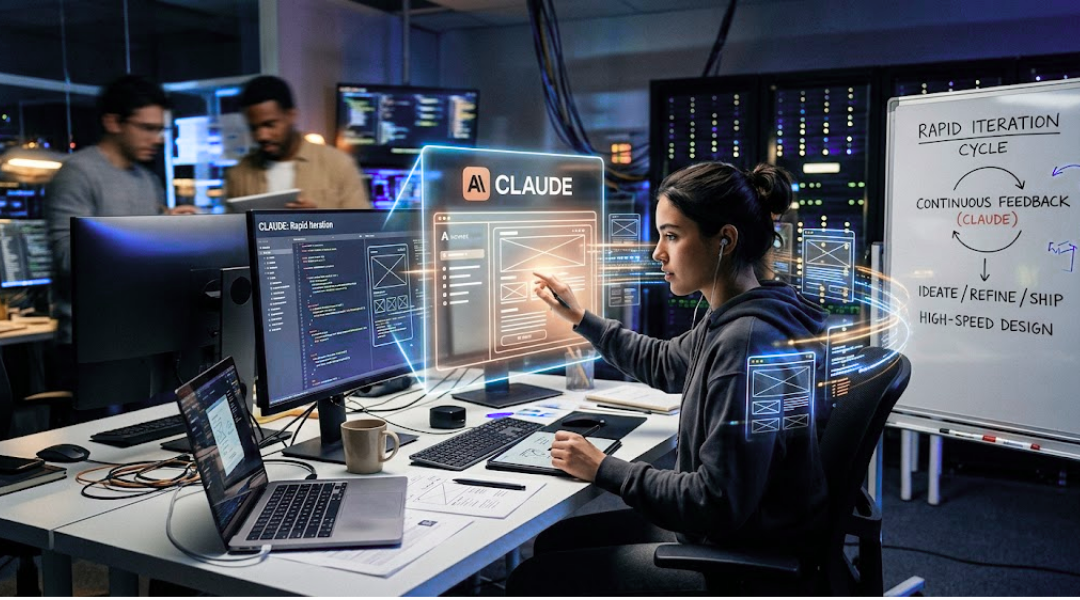
Working inside an AI lab means product iteration happens at an unprecedented pace. Traditional product design relies on linear cycles: building mockups, holding reviews, handing off files to engineers, and waiting for implementation. In a rapid environment, these long feedback loops slow down progress. To keep up, Anthropic's design team works in tight time horizons where continuous, all-day access to Claude allows them to test ideas, iterate, and refine concepts in real time.
Unlocking Full Power Through Continuous Integration
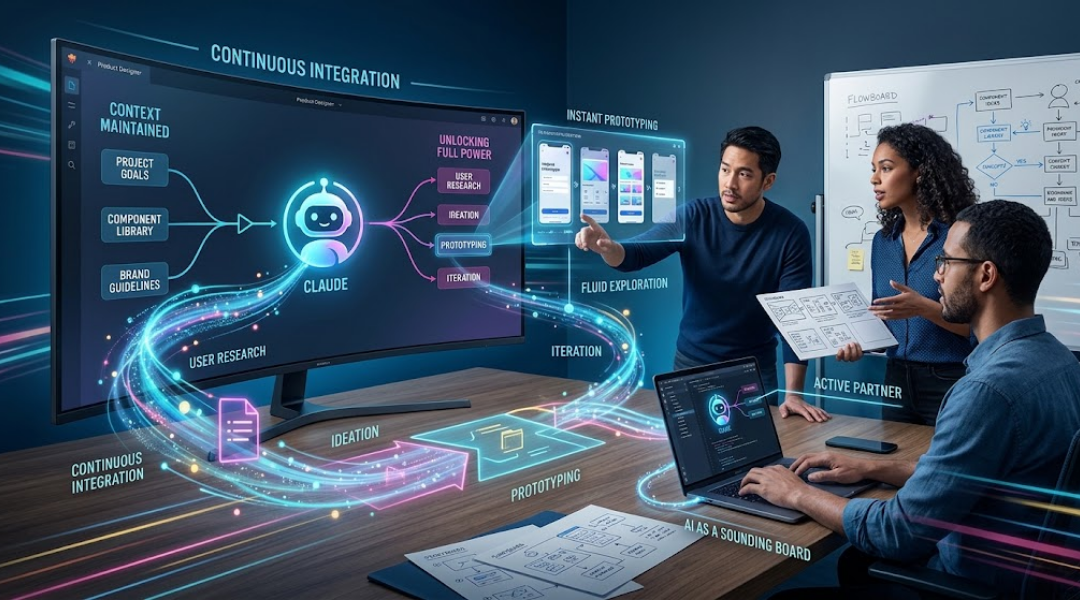
When teams move away from single-turn chat prompts, the nature of their work changes dramatically. By keeping Claude integrated into their daily routines, designers can use the AI as a constant sounding board and active partner. Instead of starting from scratch with every query, the system maintains context across project goals, design components, and brand guidelines, enabling fluid exploration and instant prototyping.
Shifting Culture to Build Optimal Workflows
The real transformation isn't just adopting a new tool, it's evolving the culture of how work gets done. As Choi notes, having persistent access to advanced AI encourages teams to constantly look for more optimal ways to operate. Designers begin writing code, engineers contribute directly to product aesthetics, and routine tasks are offloaded to intelligent agents. This shift allows human creators to spend less time on administration and more time on high-level direction and strategic thinking.
Conclusion: Changing the Unit of Work
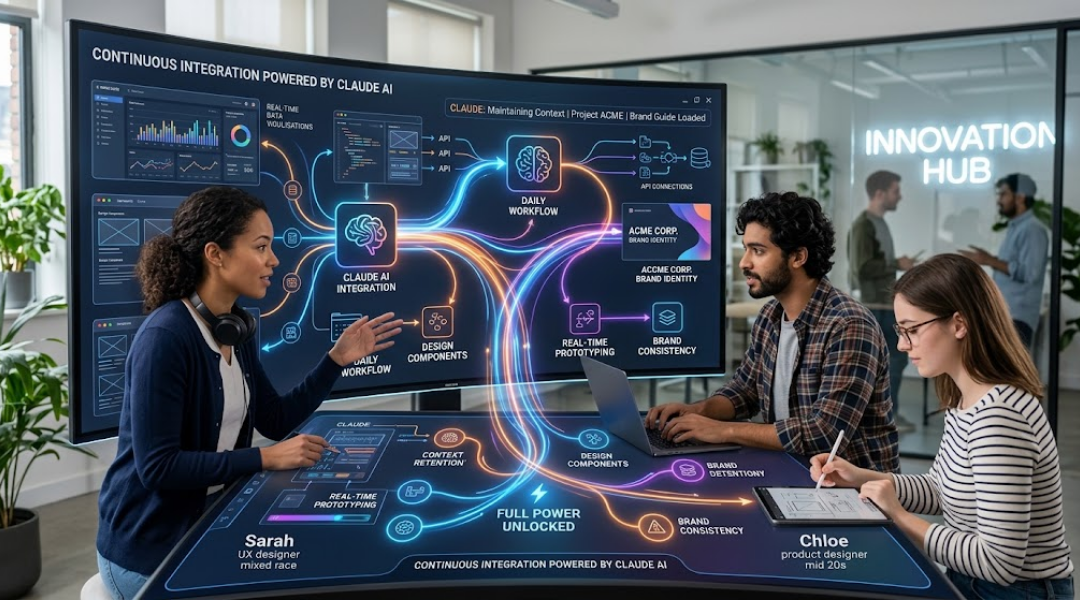
Moving beyond the traditional chatbot model requires changing how we think about human-AI collaboration. By treating AI as a full-fledged design studio rather than a basic text assistant, teams can collapse project timelines and unlock new levels of creativity. The future of product development lies not in asking better questions, but in building shared, ongoing workspaces where humans and AI build together.